


Browsing Category Γενικά Άρθρα

Η Biennale Αρχιτεκτονικής Βενετίας 2025 στοχεύει να είναι περισσότερα από μια απλή Έκθεση: είναι ένα πείραμα που ενώνει διαφορετικές φωνές και μορφές νοημοσύνης. Ορισμένες θα αντηχήσουν πιο δυνατά από άλλες, κάποιες μπορεί να συγκρουστούν και να παράγουν εκκωφαντικούς ήχους. Παρ’ όλα αυτά, ελπίζουμε ότι αυτή η χορωδιακή προσπάθεια θα προσφέρει νέες προοπτικές σε μία από τις καθοριστικές προκλήσεις της εποχής μας: την προσαρμογή σε έναν μεταβαλλόμενο κόσμο.”
Με αυτή την τελευταία παράγραφο στο εισαγωγικό του κείμενο, ο Κάρλο Ράττι, επιμελητής της 19ης Μπιενάλε Αρχιτεκτονικής Βενετίας, επισημαίνει τους στόχους και τις φιλοδοξίες της φετινής φιλόδοξης έκθεσης με τίτλο Intelligens. Natural. Artificial. Collective. Η έκθεση θα διεξαχθεί από το Σάββατο 10 Μαΐου έως την Κυριακή 23 Νοεμβρίου 2025. Ενώ η αρχιτεκτονική έχει ως επίκεντρο την ανθρώπινη ανάγκη για καταφύγιο και επιβίωση καθοδηγούμενη από την ανθρώπινη αισιοδοξία – ο Ratti αναγνωρίζει ότι στον σημερινό κόσμο, που απειλείται από την κλιματική κρίση, η αρχιτεκτονική από μόνη της δεν μπορεί πλέον να προσφέρει επαρκείς λύσεις. Επιπλέον, ήρθε η ώρα η αρχιτεκτονική να ξεπεράσει την τωρινή περιορισμένη επικέντρωσή της στην τεχνητή νοημοσύνη και τις ψηφιακές τεχνολογίες και να αγκαλιάσει την προσαρμογή, προσκαλώντας διαφορετικούς τύπους νοημοσύνης – φυσική, τεχνητή, συλλογική – να συνεργαστούν για να επανασχεδιάσουν το δομημένο περιβάλλον.
Το Vessel είναι ένα συλλογικό στούντιο που βρίσκεται στην καρδιά της Αίγινας. Ιδρύθηκε από τους καλλιτέχνες Navine G. Dossos και James Bridle. Τα μέλη του εργάζονται συλλογικά σε δημόσια έργα.
Το Vessel προσκλήθηκε από την ομάδα επιμελητών του Carlo Ratti να εργαστεί σε ένα έργο συνδεδεμένο με την κοινότητα και τον οικότοπό του στην Αίγινα. Το βιβλίο άλλωστε του James Bridle “Ways of Being – Animals, Plants, Machines: The Search for a Planetary Intelligence” έχει πολλά αλληλένδετα θέματα με τη φετινή Μπιενάλε.
Η Navine g. Dossos μίλησε στο Ex_posure για το Vessel και το συναρπαστικό τους project για την Biennale Αρχιτεκτονικής Βενετίας με τίτλο: Το Μοναδικό Ανθοφόρο Φυτό στον Ωκεανό.

“The Biennale Architettura 2025 aims to be more than an Exhibition; it is an experiment in uniting different voices and forms of intelligence. Some will resonate louder than others; some might clash and produce jarring sounds. Nonetheless, we hope that this choral effort will offer new insights into one of the defining challenges of our time: adapting to an altered world.”
With this final paragraph at his introductory text Carlo Ratti, the curator of the 19th Biennale of Architecture, highlights the goals and his aspirations of this years’ ambitious exhibition under the title Intelligens. Natural. Artificial. Collective. The 19th International Architecture Exhibition will be held from Saturday 10 May to Sunday 23 November 2025
While having its main focus on architecture and its roots- human need for shelter and survival, driven by optimism – Ratti acknowledges that in today’s world threatened by climate crisis, architecture alone can no longer provide adequate solutions. Moreover the time has come for architecture to go beyond today’s limited focus on AI and digital technologies and embrace adaptation inviting different types of intelligence -natural, artificial, collective- to work together to rethink the built environment.
Vessel is a collective studio based on the island of Aegina, Greece. It was founded by artists Navine G. Dossos and James Bridle. It’s members work collectively on public projects.
Vessel was invited by Carlo Ratti’s team of curators to work on a project linked to their community and bio-region on Aegina. James Bridle’s book Ways of Being – Animals, Plants, Machines: The Search for a Planetary Intelligence has many interwoven themes with this year’s Biennale.
Navine g. Dossos talked to Ex_posure about Vessel and their fascinating project for Venice Biennale of Architecture: The Only Flowering Plant in the Ocean.
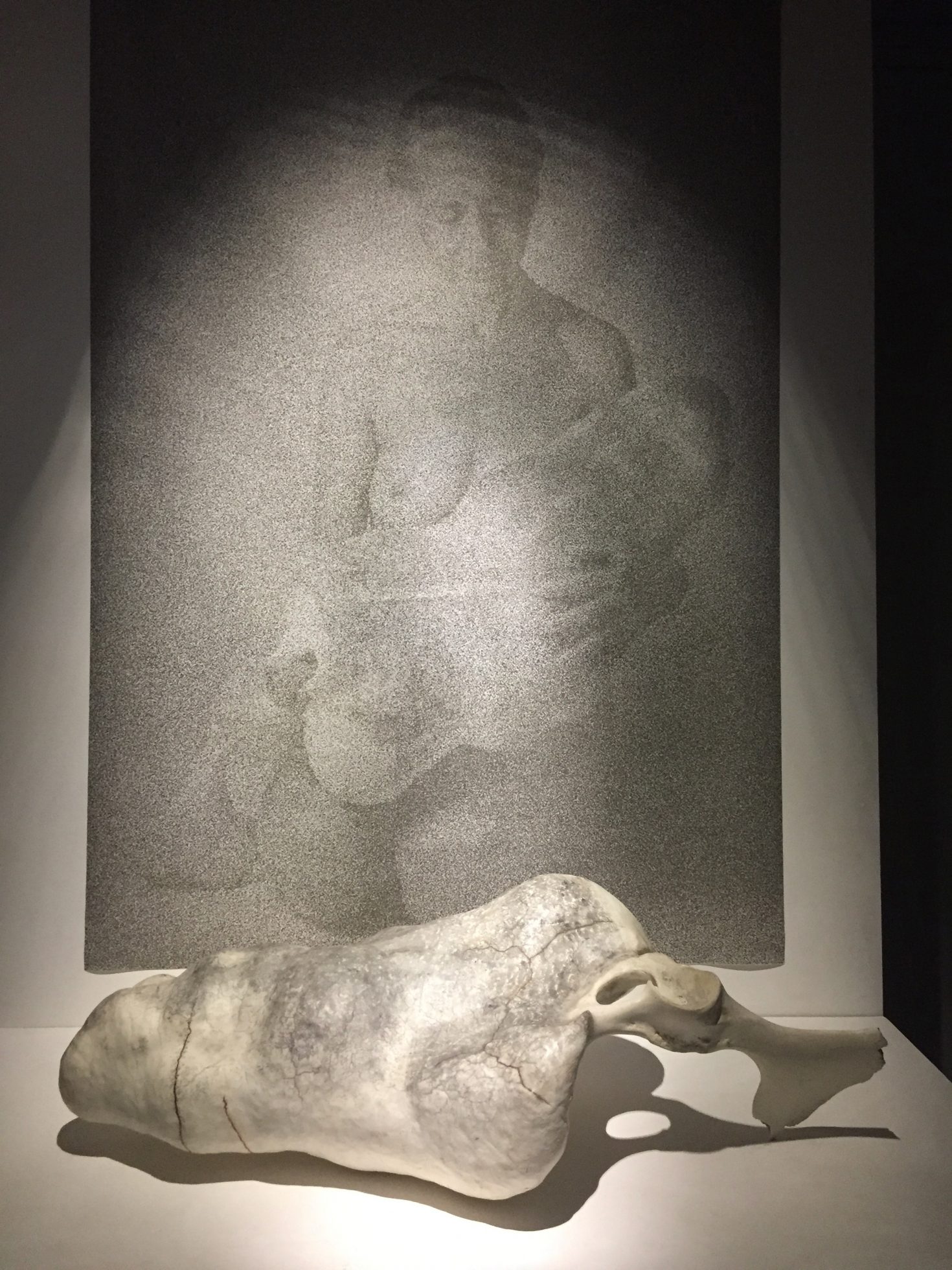
Μια έκθεση που μπορείς να την κρατήσεις στην παλάμη σου, σαν πουλί ή σα μια χούφτα από πηλό ή μια μπάλα από τρίχες κάποιου ζώου: μυρίζει γη…
Navine G. Dossos
Ήταν μια ανάσα ζωής μέσα στο καλοκαίρι που πέρασε η έκθεση «Μήτρα, Mater, Matter» της Θεοδώρας Χωραφά στο Λαογραφικό Μουσείο Αίγινας. Μια έκθεση πρωτόγνωρα ζωντανή, αληθινή, γειωμένη, αυθεντική, βιωματική και για όλα τούτα βαθιά συγκινητική. Μια έκθεση κατάθεση ψυχής από την καταξιωμένη κεραμίστρια και ένα δώρο στον τόπο που ζει και εργάζεται τα τελευταία χρόνια. Μια έκθεση που σε καλούσε να αφουγκραστείς, να δεις, να νιώσεις, να γευτείς, να αγγίξεις τον πλούτο της γης και της ζωής και να αναζητήσεις, να επιστρέψεις στην ουσία των πραγμάτων, λειτουργώντας καθαρτικά, λυτρωτικά.
Η Θεοδώρα Χωραφά μας μίλησε για την έκθεση Μήτρα, Mater, Matter, το έργο και τη ζωή της στη συνέντευξη που ακολουθεί.
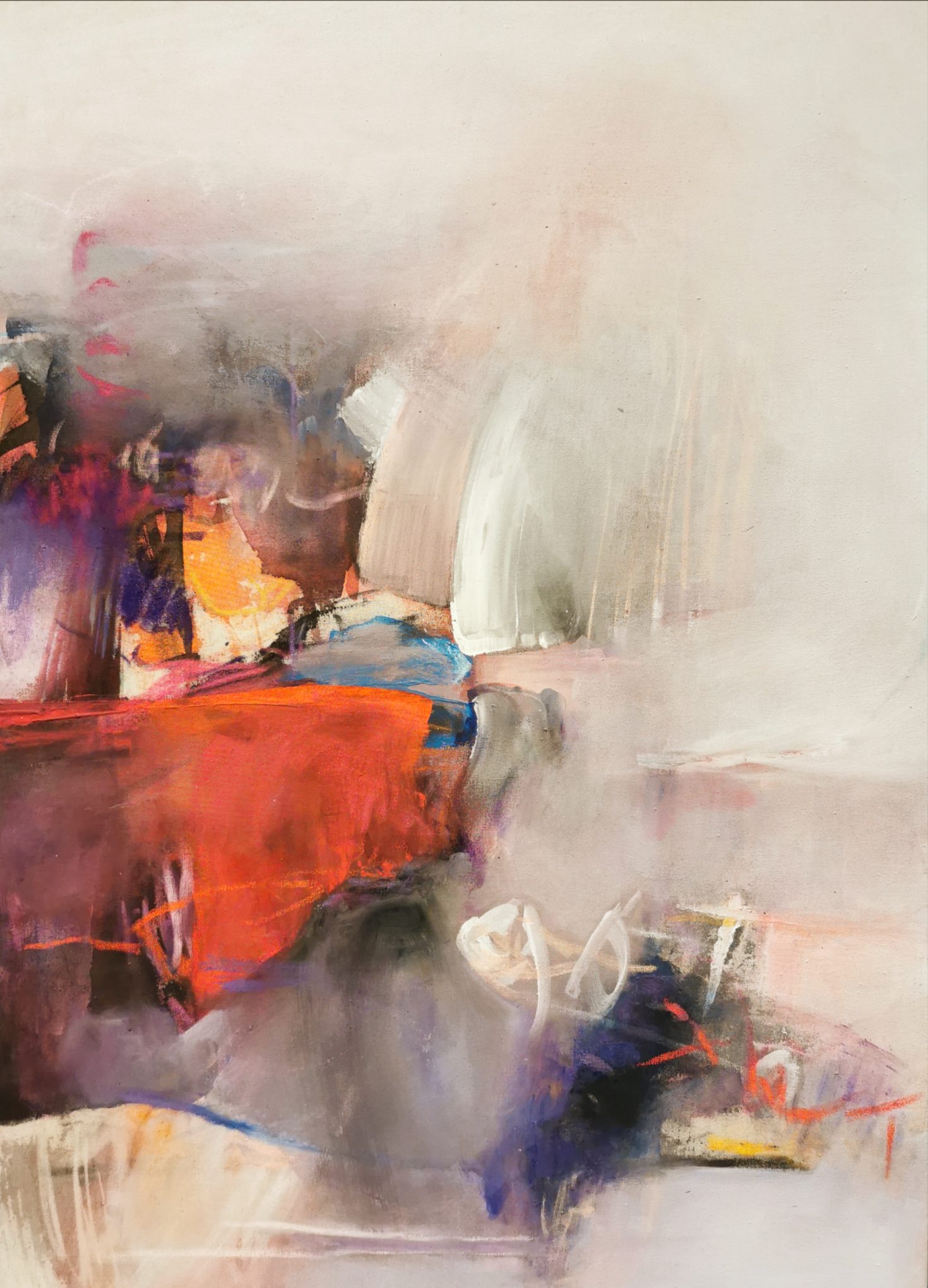
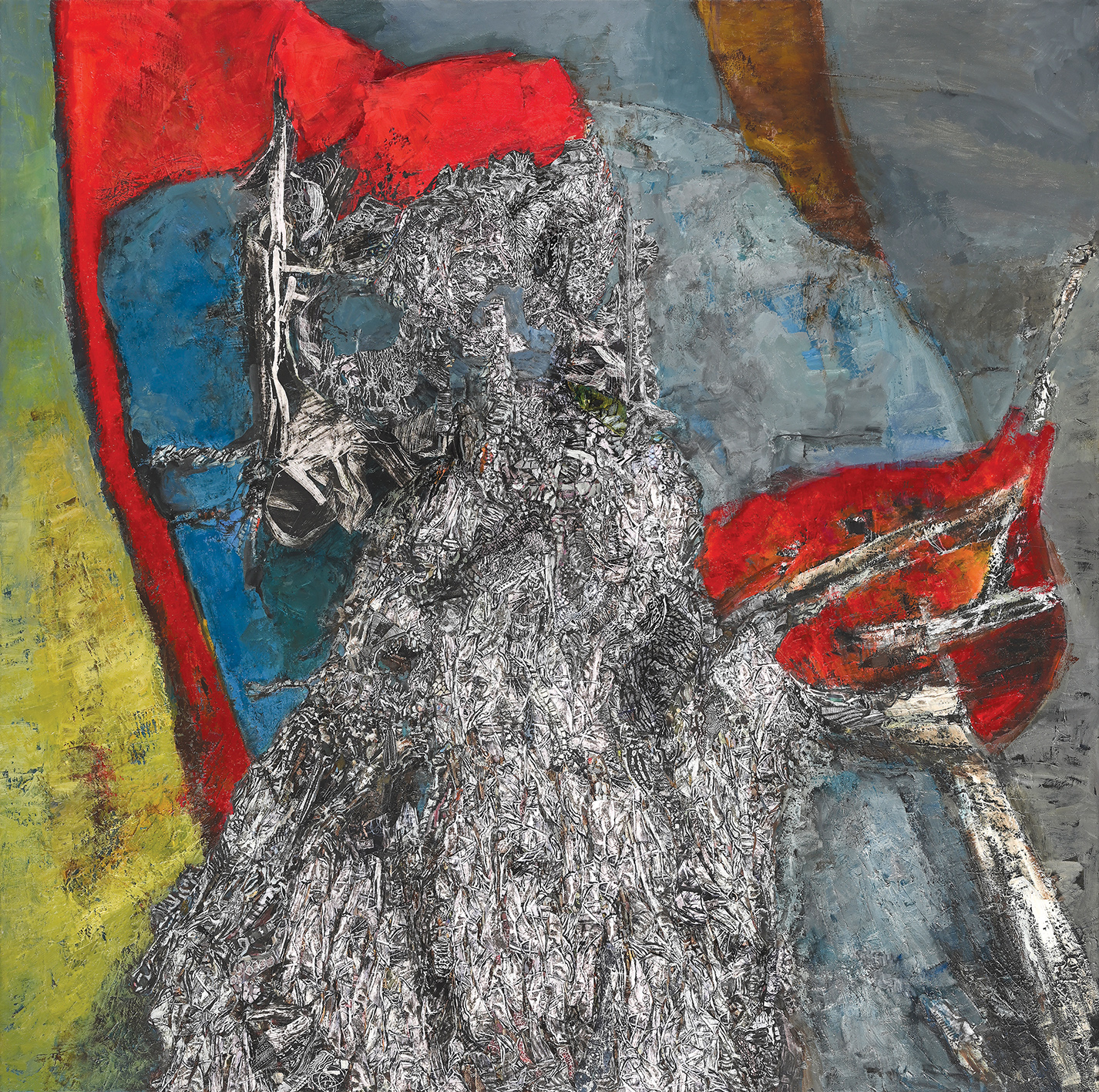
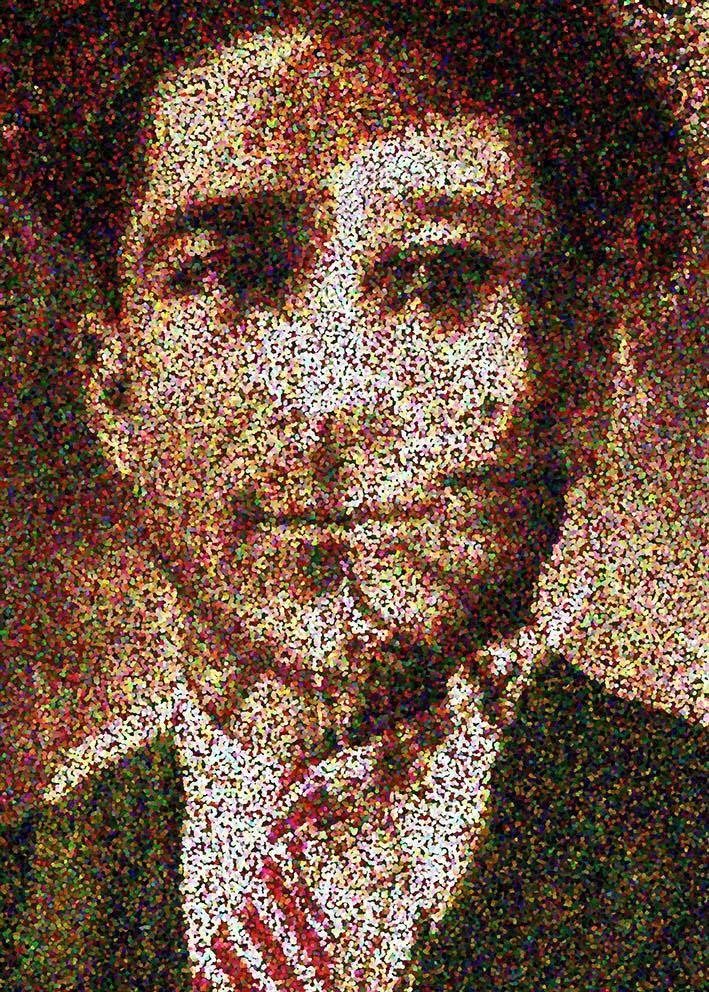
Η έκθεση παρουσιάζει τη δεύτερη φάση της εικαστικής σειράς του Κύπριου καλλιτέχνη Σέργη Α. Χατζηαδάμου «Μεταμόρφωσις», η πρώτη φάση της οποίας πρωτοπαρουσιάστηκε στο κοινό το 2019.
Εισαγωγή στην έκθεση αποτελούν ένα τρίπτυχο έργο με τίτλο «Παφίων Ψυχές», που βραβεύτηκε στην Μπιενάλε της Λάρνακας το 2018, καθώς και δύο άλλα έργα που τεκμηριώνουν το αρχείο και εξηγούν, οπτικά, τη χρήση του αρχικού υλικού από τον Σ. Χατζηαδάμο. Το αρχικό αυτό υλικό προέρχεται από παλιές και ιστορικής σημασίας, αλλά φθαρμένες και κατεστραμμένες από την υγρασία και την πολυκαιρία, γυάλινες αρνητικές φωτογραφικές πλάκες, που χρησιμοποιούσε ο γνωστός Κύπριος φωτογράφος Σπύρος Χαρίτου. Αυτά τα φωτογραφικά αρνητικά, που τα χρησιμοποιεί ο καλλιτέχνης ως πρώτη ύλη, προσφέρουν και μια προοπτική για ορισμένες μελλοντικές καλλιτεχνικές κατευθύνσεις του Σ. Χατζηαδάμου, που διαφαίνονται ήδη εδώ.

June 22 – October 23, 2022
“When I stood in front of the warriors at the Temple of Aphaia in the Glyptothek, I witnessed an unexpected modernity, and beyond the perfection of classicism”
—Santiago Calatrava
The Glyptothek is pleased to present After Hellas: Santiago Calatrava in the Glyptothek the first exhibition devoted exclusively to the sculptural and painting works of renowned architect Santiago Calatrava.
The main focus will be his new sculptural series, a body of work which has been in development for the last 20 years and comprises fourteen wrought iron large format sculptures on a base of aged oak, which appear as modern, almost abstract variations of the ancient warriors of the Temple of Aphaia. Complementing these sculptures will be a selection of 30 drawings, watercolors, and preparatory studies, in addition to sculptures from past series, which highlight Calatrava’s study of the human body and nature, a continuous inspiration to his architectural style. All works connect simultaneously with the general theme of Antiquity, which is intrinsic to Greek culture.
Curated by Cristina Carrillo de Albornoz, and Florian Knauss, director of the Glyptothek, the exhibition features an exceptional dialogue between the sculptural permanent collection of the Glyptothek, and Santiago Calatrava´s artwork. More than two decades ago, while visiting the Staatliche Antikensammlungen and Glyptothek, Santiago Calatrava was deeply enthused by the marble works from the Late Archaic temple of Aphaia in Aegina. These dynamic sculptural groups (Athena, with groups of combatants, fallen warriors, and arms), located at the east and west pediments of the temple, featured scenes of the epic Trojans Wars. This encounter led Santiago Calatrava to create a colossal corpus of sculptural work over the past 20 years, entitled The Aegineten, large format sculptures in wrought iron, and hundreds of drawings in the spirit of the circular dynamic compositions of the positions and the shields of the ancient warriors in the temple, but using a modern vocabulary.
This illuminating exhibition follows Calatrava’s career as a sculptor and elucidates how he has been influenced by the antiquity and heritage of “Hellas”, the term the ancient Greeks used to describe their lands, named after the founding father of all Greek tribes.
Beyond Hellas: Santiago Calatrava in the Glyptothek will be carried out in collaboration with the Santiago Calatrava studio.
A catalogue will be published to accompany the exhibition.
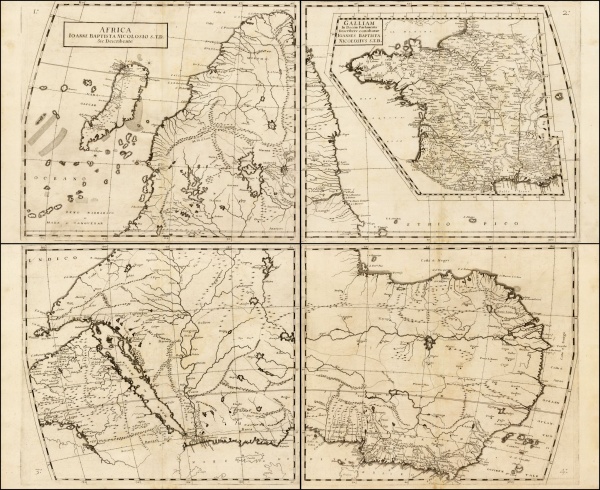
IncarNations is the result of an encounter and stimulating collaboration with the Sindika Dokolo Collection. Under the aegis of artist-curator Kendell Geers, this project stands out for its striking singularity, while also pursuing, for the Centre for Fine Arts (BOZAR), the dialogue between traditional African Art and contemporary art.
What is African Art? Does it even exist? Or is it simply the projection of a Western concept, masking the cultural alterity of these objects? How might we renew their presentation and exhibition, while placing them within the context of contemporary Africa? All these questions are at work in IncarNations.
Sindika Dokolo and Kendell Geers have conceived a special project. Seeking to move beyond mere labels and categories, IncarNations constitutes a search, if not a quest, an attempt to develop an African perspective, both by resending centre stage to the primal spiritual dimension of the works of art and by instigating their dialogue with contemporary creations. To this end, they call upon the fascinating exploration and exposition of Léopold Sédar Senghor’s thought as analyzed by the Senegalese philosopher Souleymane Bachir Diagne, defining African Art as a veritable philosophy.
Paul Dujardin, CEO and artistic director of BOZAR,
Sophie Lauwers, exhibitions director of BOZAR.
Kendell Geers shares with the readers of Ex_posure his opening speech for IncarNations.
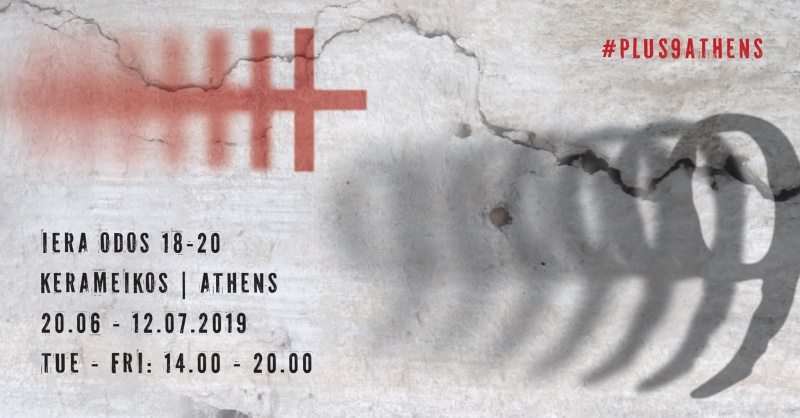
The industrial building on 18-20 Iera Odos currently used as a music venue, is situated within the geographical region of the ancient cemetery of Kerameikos (1100 BC – AD 500). Nine metres below the surface of the modern city and tons of backfills, excavations since 1863 have brought to light parts of inner Kerameikos (potters’ and residential quarters) and outer Kerameikos (cemetery and the Demósion Sema public graveyard).
The area of the exhibition building lies nine metres above the funerary monuments of prominent Athenians. It is located right above the ancient Hiera Hodos (Sacred Way) linking Athens with Eleusis where the Eleusinian Mysteries took place; on the west bank of the Eridanos river; west of the Dromos, a wide road leading the way to the Platonic Academy and the –later– Christian orthodox church of the Holy Trinity. It is all being now overshadowed by today’s Peiraios roadway and the adjacent buildings of the last century.
The exhibition will negotiate notions with clear references to antiquity yet liberated from an obsessive fixation on the ancient world. It will take into consideration every single metre of evolution and will speculate on all of the possible nine metres of history that will follow.
What may lie nine metres below our feet without us being able to discover it, could equate to a future reality nine metres above. The surfacing of a utopian condition brings forth the imaginary, but at the same time it flirts as a connection link with the idea of passage and transition. A dialogue emerges between realities and it is activated through a crack in spacetime, a crevice that [inter]connects the worlds in one breath.
The transformation of the urban habitat through literal and metaphorical backfills embodies ideas of [dis]semblance, voidance, disdain, corrosion of memory and the empowerment of an [inter]personal mythology and fiction as well as the fabrication of an in-progress identity. The repertoire of an everchanging political, religious and cultural condition is inscribed not only within the historical continuity of this locus but also within a flux of a conscious construction, deconstruction and conflict.
The choreography of the contemporary urban landscape redefines the architecture of life itself. It gives birth to a taxonomy of possibilities with human existence and its hypostasis as the protagonists, undergoing a constant battle with time and their very own selves.
Curator dr Kostas Prapoglou invites 16 contemporary artists from three generations to establish via their cross-disciplinary visual vocabulary (embracing installations, video, sculpture, painting and ceramics) a site and time specific relationship. They will discover in the ground and above the concrete floor themselves as well as the entire world and empower the viewers’ desire to dig with their eyes and build with their dreams.
participating artists: Lydia Andrioti, Manolis Baboussis, Despina Charitonidi, Evangelos Chatzis, Lydia Dambassina, Diohandi, Kleio Gizeli, Zoe Hatziyannaki, Yannis Kondaratos, James M. Lane, Despina Meimaroglou, Eusevia Michailidou, Evi Savvaidi, Nikos Tranos, Adonis Volanakis, Eleni Zouni.
__ exhibition opening: 20 June | 19.00 – 00.00
Exhibition duration: 20 June – 12 July 2019
__ opening hours:
Tuesday, Wednesday, Thursday, Friday: 14.00 – 20.00
Saturday, Sunday, Monday: closed
__ address: 18-20 Iera Odos, 104 35, Athens, Greece
Kerameikos metro station: 5 minutes
Thiseio train station: 10 minutes